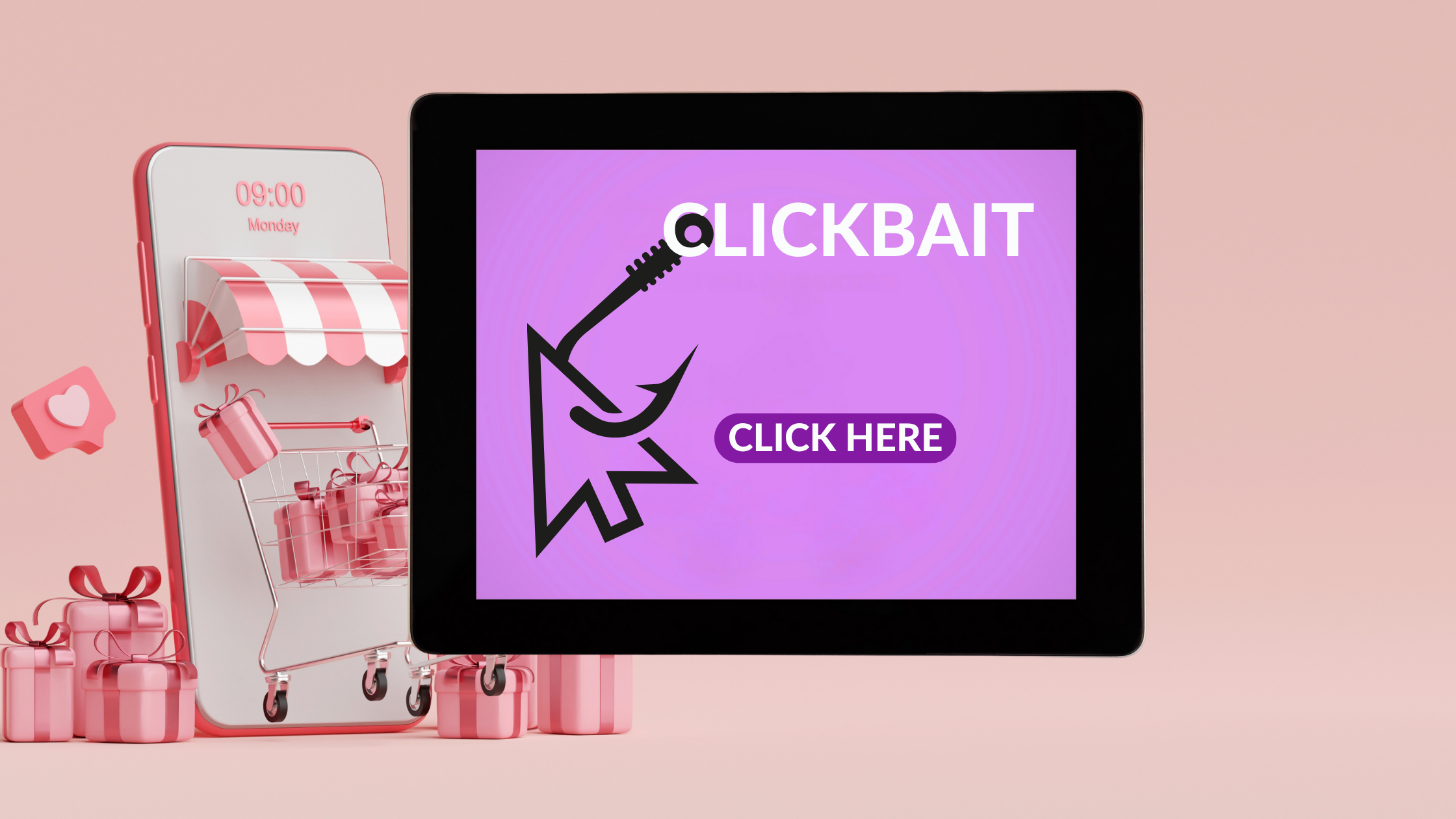
The Psychology of Clickbait Titles
Creating High-Performance, High-CTR Headlines
The term “Psychology of Clickbait Titles” often conjures images of misleading headlines and frustrating content. As a creative professional, your goal is never to deceive; it is to use proven psychological triggers to craft headlines that accurately reflect your content’s value and maximize your organic traffic.
When you appear on the Search Engine Results Page (SERP), your post title and meta description are your only sales pitch. They must compel the user to click your link over a competitor’s. This comprehensive guide breaks down the three psychological principles you must employ to turn vague topics into high-performance, high-CTR headlines that boost your SEO.
1. The Curiosity Gap Principle (SEO: Title & Keyphrase Density)
The Curiosity Gap Principle suggests that when a reader recognizes a gap between what they know and what they want to know, they are motivated to fill it. This is the engine that drives ethical “clickbait.”
🧠 Strategic Application
- Actionable Step: Structure your title to reveal part of the solution while holding back the ultimate payoff. Phrases like “What You Should Never Do,” “The One Mistake,” or “The Surprising Reason Why” are highly effective.
- SEO Priority: Ensure your primary keyword is placed at the very start of the title, even if the psychological trigger comes second.
- Example: [Bad Title:] You Won’t Believe What This Mistake Costs You.
- Example: [High-CTR & SEO Title:] [Primary Keyword]: The One Mistake That’s Crushing Your Site’s Ranking.
🔗 Linking Strategy
By writing highly specific, problem-focused titles, you organically attract internal link opportunities from your less detailed posts. This builds topical authority across your entire site.
2. The Urgency and Authority Principle (SEO: Meta Description)
While the title gets the initial attention, the Meta Description (the short summary under your title in search results) must close the sale. Here, you use authority to establish trust and urgency to drive immediate action.
🧠 Strategic Application
- Establish Authority: Use social proof or data in the description. Mentioning “Expert-Approved,” “Data-Driven,” or “Used by 100+ Clients” assures the reader the click is safe and valuable.
- Inject Urgency: Phrases like “Fix it Today,” “Stop Losing Clients Now,” or “The 2025 Guide” create temporal relevance, implying the information is timely and necessary.
- SEO Priority: Crucially, your Meta Description must contain your primary keyphrase. It also needs to be brief (under 155 characters) and persuasive.
Internal Link Opportunity
By creating urgency and emphasizing a structured solution, you naturally lead the reader to your content strategy resources.
- If you want to move beyond headline chaos to structured success, read our full guide on Content Calendar Mastery.
3. The Specificity and Value Principle (SEO: Subheadings and Linking)
Vague titles and content fail to rank. The brain craves clear, measurable value. Your subheadings and content structure must deliver on the promise of the title with ruthless specificity.
🧠 Strategic Application
- Quantify Everything: Use numbers in your titles and subheadings (e.g., “7 Ways,” “3 Key Tools,” “A 5-Step Process”). Numbers make content look actionable and less intimidating.
- Define the Audience: Immediately appeal to a niche audience (e.g., “for Freelancers,” “for E-commerce Stores,” “for Coaches”) to increase relevance and attract high-quality traffic.
🔗 Linking Strategy
When your article is highly specific, it becomes a perfect reference point for other sites.
- External Linking: When you discuss CTR best practices, link out to high-authority SEO resources (like Moz or HubSpot) to validate your advice and boost your own trust factor.
- Internal Linking: You should link this post to your core Branding and Web Design services, as these are the root cause of poor title creation.
Executive Conclusion: Ethical Influence
The Psychology of Clickbait Titles is not about deception; it’s about ethical influence. By understanding the core drivers of human attention—curiosity, urgency, and specific value—you can align your creative headline skills with a powerful on-page SEO strategy. Stop letting great content sit invisible. Start publishing headlines that command attention and earn the click they deserve.
Are you ready to optimize the rest of your site? Let’s discuss your branding titles next.


